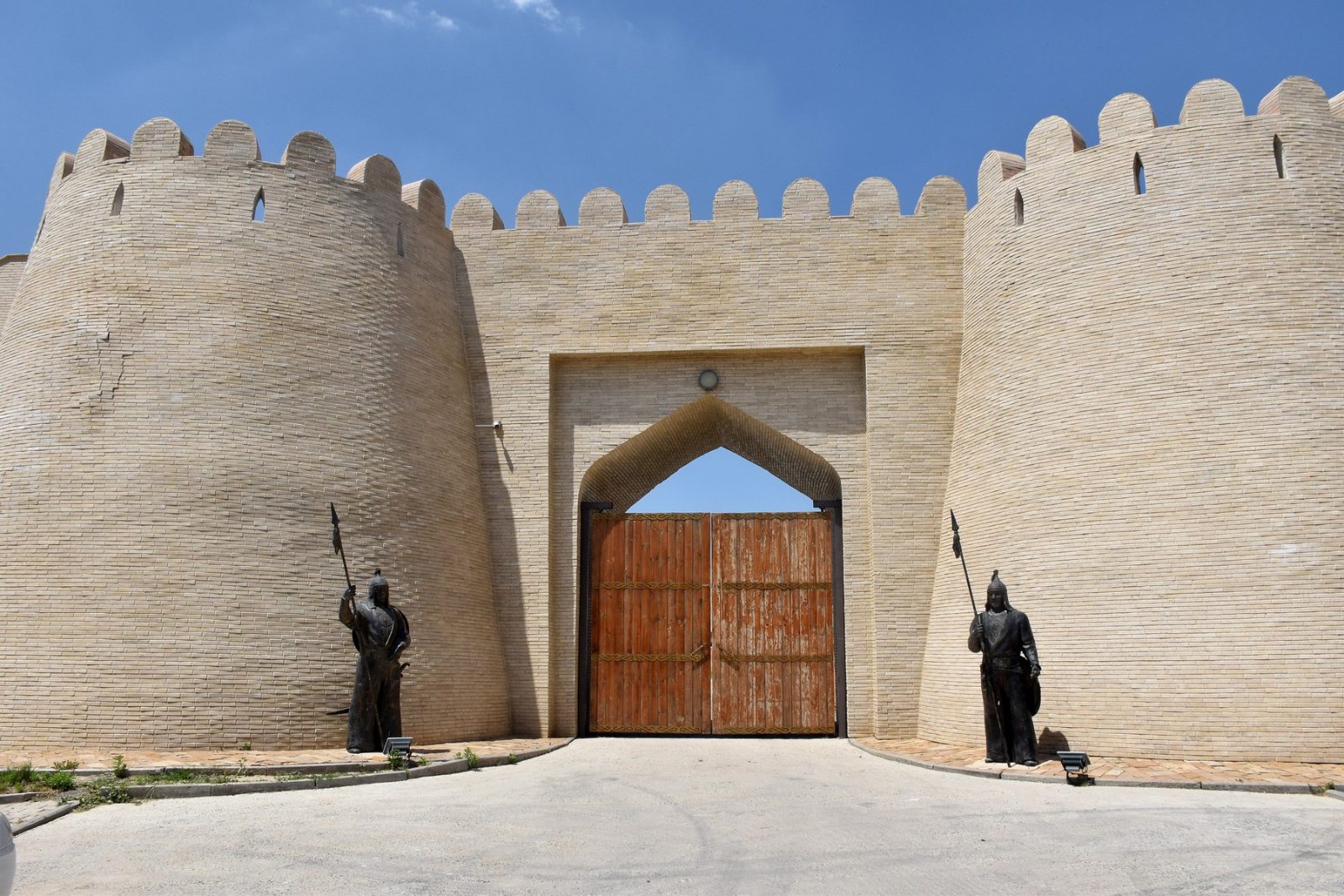
Citadel of Shymkent
5 min drive
This reconstructed fortification provides historical context regarding the city's role along the Silk Road.

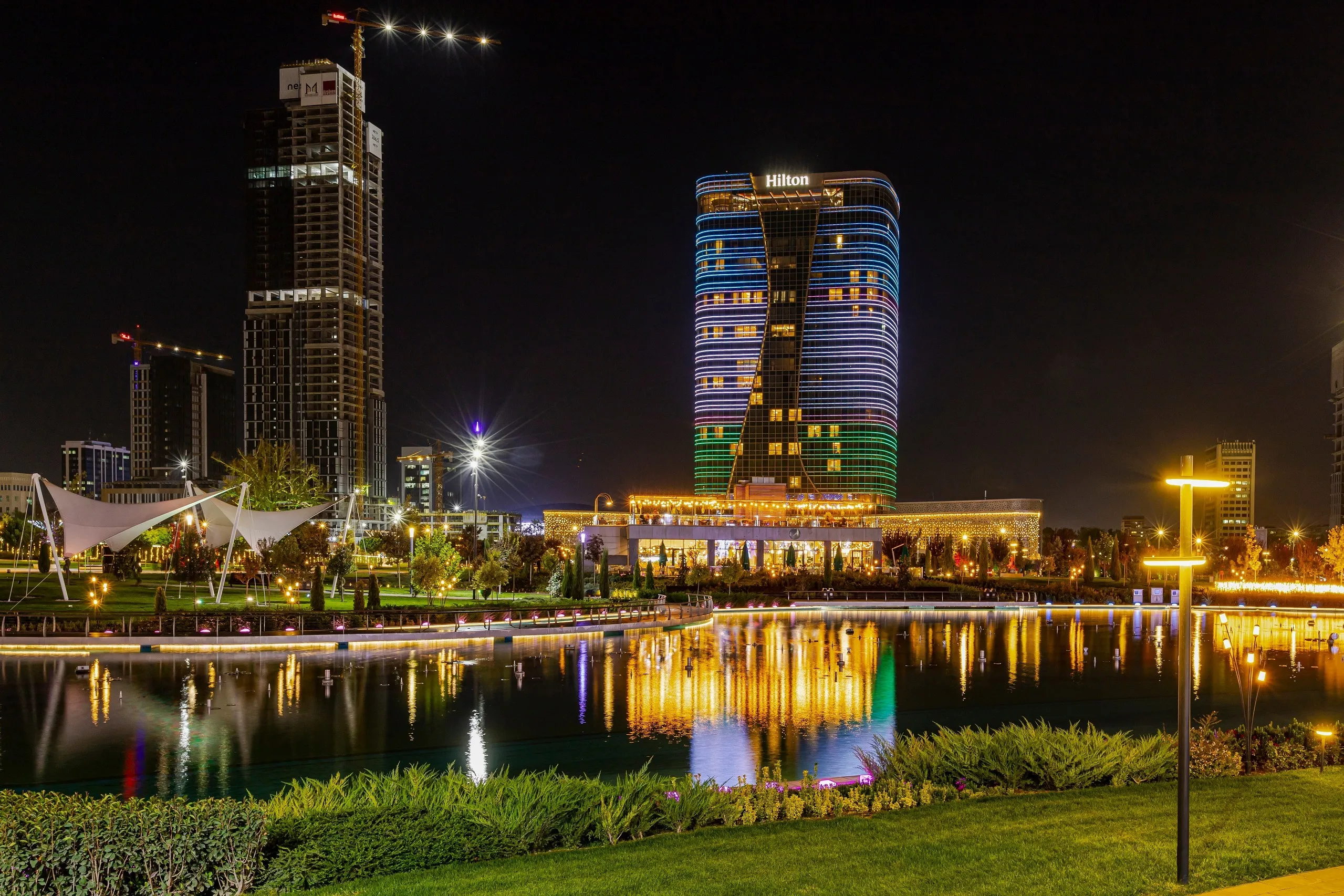
Tashkent sits 120 kilometers northwest of Shymkent across the Uzbekistan-Kazakhstan border, making it the natural departure hub for visitors exploring southern Kazakhstan. Understanding this geographic relationship clarifies transit options, border protocols, and why the Uzbek capital anchors most Shymkent itineraries.
Quick answer
Tashkent is located in northeastern Uzbekistan, approximately 120 kilometers northwest of Shymkent, Kazakhstan. The Uzbek capital serves as the primary international gateway for travelers heading to Shymkent, connected by road and rail routes that cross the Uzbekistan-Kazakhstan border. Daylight hours between 09:00 and 18:00 offer the best window for navigating this cross-border corridor and exploring Shymkent's central districts upon arrival.
Tashkent occupies the Chirchiq River valley in Uzbekistan's northeast corner, pressed against the foothills of the Tian Shan range. The city's position as Central Asia's most populous capital and its international airport make it the logical staging point for journeys into southern Kazakhstan. Shymkent lies 120 kilometers to the northeast, a proximity shaped by Soviet-era planning that treated the two cities as nodes in a single industrial corridor. The geographic question of tashkent where located matters because it determines your route architecture. Road travelers cross at the Chernyaevka-Zhibek Zholy checkpoint, while rail passengers use the Saryagash corridor. Both routes traverse semi-arid steppe that transitions from Uzbekistan's cotton belt into Kazakhstan's grain-producing south. The Syr Darya river basin forms the natural boundary, though the administrative border runs through flatter terrain to the west. Understanding the Tashkent-Shymkent axis also clarifies cultural and economic ties. Shymkent operated as a satellite of Tashkent until Kazakhstan's independence, and Uzbek remains widely spoken in Shymkent's southern neighborhoods. The cities share architectural DNA—Soviet-era microrayons, central parks anchored by war memorials, bazaars trading similar produce. Visitors departing Tashkent notice the continuity more than the rupture. The location context explains logistical rhythms. Morning departures from Tashkent put you in Shymkent by midday, assuming efficient border processing. The Uzbek capital's transport infrastructure—its metro, airport shuttles, intercity bus terminals—feeds this cross-border flow. Seasonal factors matter less than bureaucratic ones; border wait times, not weather, determine travel duration. Daylight arrivals in Shymkent align with the 09:00–18:00 window when the city's landmarks, bazaars, and municipal services operate at full capacity, allowing efficient orientation before evening.
“The Tashkent-Shymkent corridor reflects Soviet-era planning that treated the two cities as nodes in a single industrial network.”
Tashkent is the capital of Uzbekistan, situated in the northeastern part of the country near the border with Kazakhstan. To reach Shymkent, travelers typically transit via the Chernyaev border crossing, located approximately 15 kilometers north of Tashkent city center.
Tashkent City Center to Chernyaev Border
Route 117 to Chernyaev Border
M39 Highway to Shymkent
Chernyaev Border to Shymkent City
Cross the border on foot to avoid potential vehicle queues, then secure a local taxi or shared transport on the Kazakhstan side for the onward journey to Shymkent. Ensure you have your passport and necessary visas ready for the crossing.
The best arrival window is 09:00–18:00, providing sufficient daylight to navigate the border transition and explore local landmarks. Arriving during these hours ensures visibility for transit and allows for full access to city bazaars.
Mild, 15°C–25°C
Ideal temperatures for walking and outdoor markets.
Cool, 12°C–22°C
Stable conditions with minimal precipitation.
—
Reduced border traffic and quieter city streets.
Verdict: The best time to arrive is Tuesday to Thursday between 09:00 and 18:00 during April or October.
Shymkent operates as a major urban center and transit hub, remaining accessible to visitors throughout the week. The city infrastructure maintains continuous availability for travelers arriving from Tashkent.
Shymkent serves as the primary gateway to the Southern Kazakhstan region, offering a central base for exploring historical and cultural sites. Many regional landmarks are accessible for those extending their day trip into a multi-day itinerary.
5 min drive
This reconstructed fortification provides historical context regarding the city's role along the Silk Road.
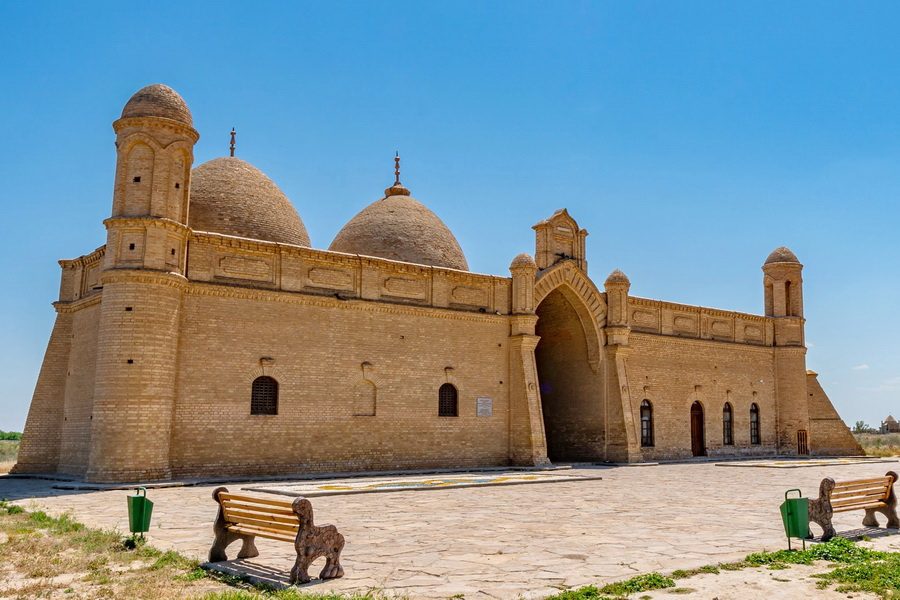
1.5 hour drive
Located on the route toward Turkistan, this site is a significant pilgrimage destination often paired with Shymkent visits.
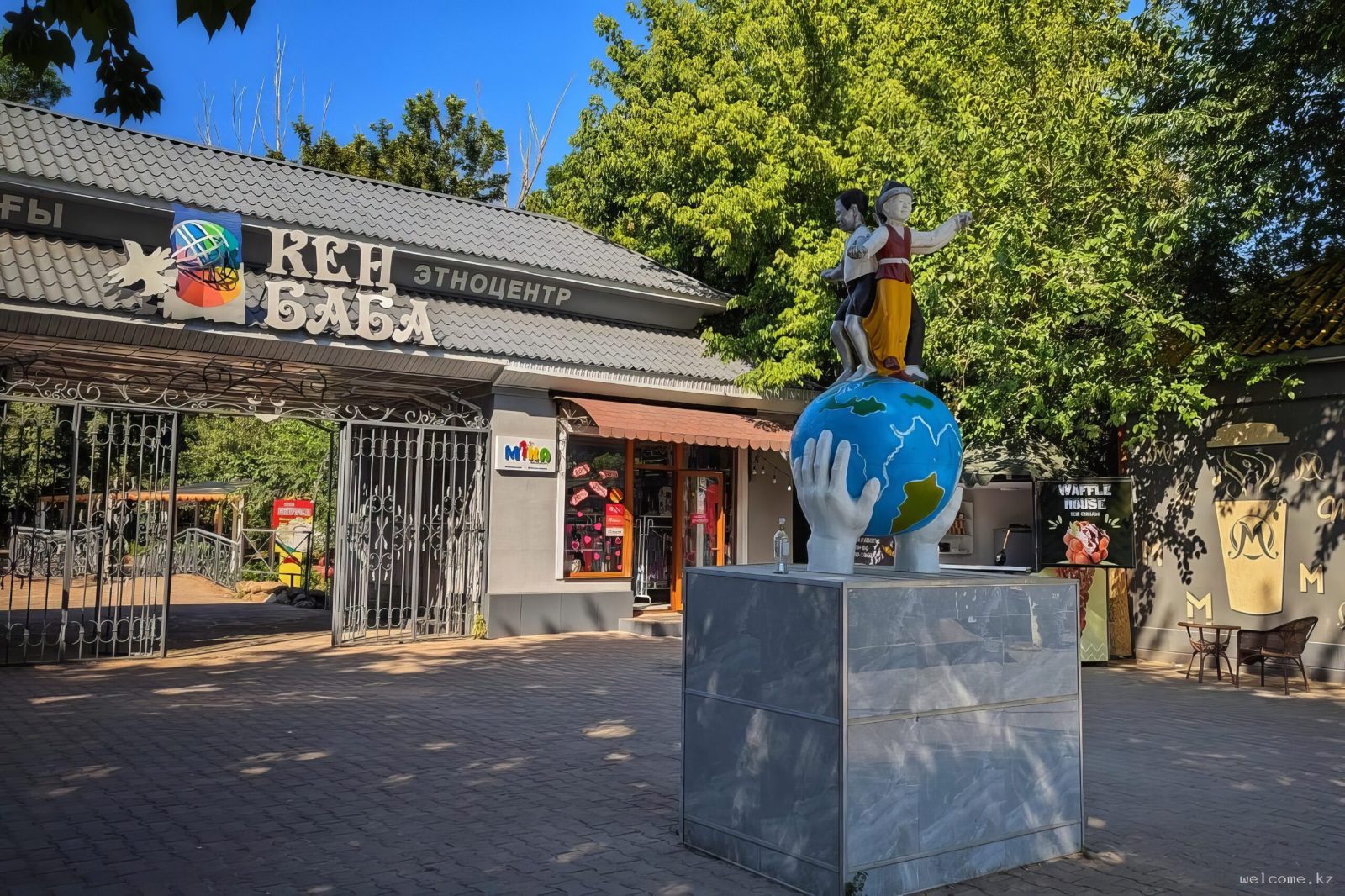
10 min walk
This central park offers a collection of traditional Kazakh crafts and landscape features that complement a walk through the city center.
Everything you need to know about tashkent where located
Shymkent is located in southern Kazakhstan, situated to the north of Tashkent. Travelers often transit between these two cities when exploring Central Asian regional landmarks.
While many travelers focus on a tashkent where located search, Shymkent serves as a distinct, major urban center in Kazakhstan. You can find its precise geographical positioning on official municipal maps.
Shymkent is a city, not a gated attraction, and is accessible 24 hours a day, seven days a week. You may explore local bazaars and public spaces at any time.
There is no entrance fee of 0 KZT to enter Shymkent as it is a city. You are free to move throughout the public areas without purchasing a ticket.
The best arrival window is between 09:00 and 18:00 to maximize daylight for sightseeing. This period ensures that local bazaars and cultural sites are fully active for your visit.
Yes, planning a trip with a clear understanding of the tashkent where located context makes for a manageable journey. Many visitors coordinate transit to explore this city's unique cultural heritage.