
English| EUR
Suggested for you
More currencies
Choose a language
Shymkent sits roughly two hours from Uzbekistan's capital, which makes the run south one of Central Asia's most practical cross-border day trips. The confusing part is rarely the distance — it is working out which parts of the journey carry a charge and which do not. This tashkent trip cost guide sets out the fixed facts before the variable ones.
Quick answer
Crossing the border itself costs 0 KZT. The Zhibek Zholy-Gisht Kuprik checkpoint charges no entrance fee, because it is a city-to-city transit route rather than an attraction, and it operates 00:00–23:59 every day of the week. Everything a traveller spends sits on either side of that line — transport, meals, and any guided arrangements booked separately.
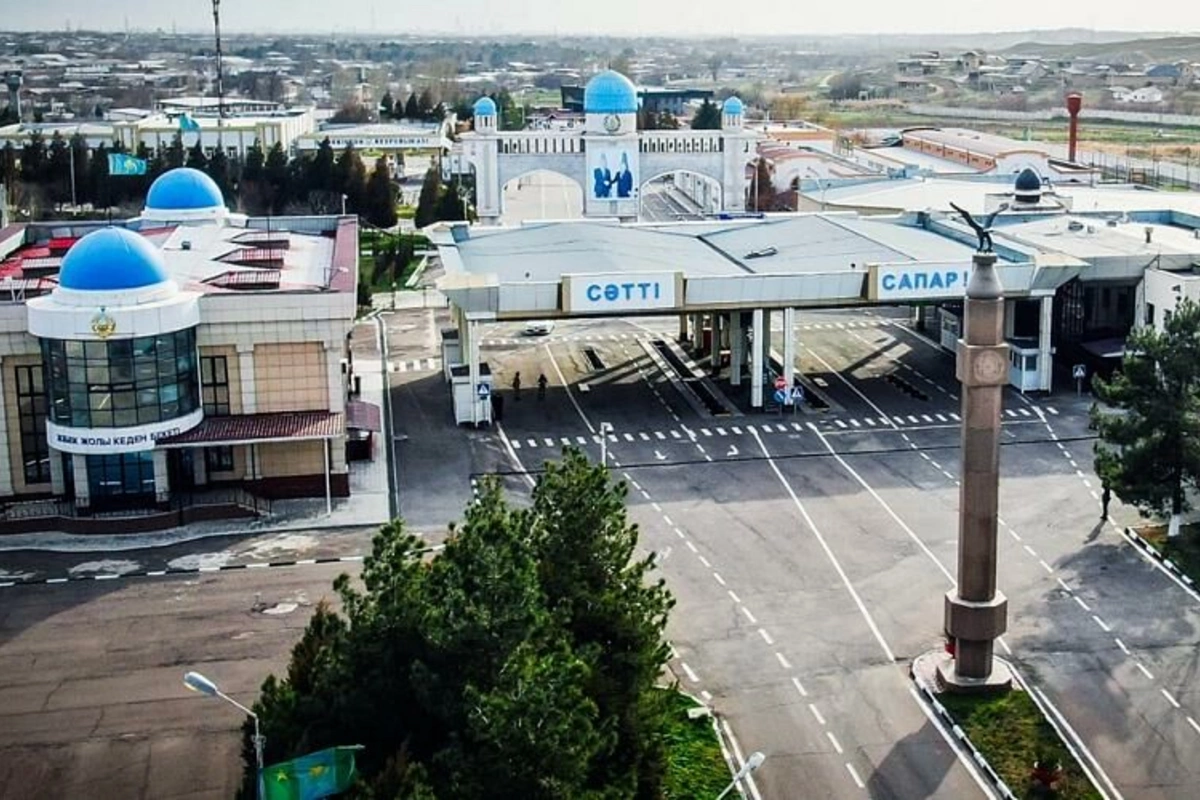
The border post between Shymkent and Tashkent never closes. Its posted hours run 00:00–23:59, Monday through Sunday, which means the constraint on a Shymkent-to-Tashkent day trip is almost never the gate — it is the queue behind it. Travellers arriving at 13:00 on a Saturday and travellers arriving at 07:30 on a Tuesday pass through the same booths under the same rules, and reach Tashkent hours apart. That distinction matters for anyone calculating a tashkent trip cost, because in this corridor time and money are the same currency. The checkpoint at Zhibek Zholy-Gisht Kuprik sits at the Kazakhstan-Uzbekistan Border, on the Kazakh side of the Sirdaryo plain, and processing is done on foot. Vehicles are left behind; passengers walk through passport control, customs, and out the far side into Gisht Kuprik, where onward transport waits. A missed morning slot pushed into the afternoon congestion tends to cost a return leg, a rebooked driver, or an unplanned night in the city. The recommended arrival window is 07:00–16:00, chosen specifically to avoid peak midday congestion at the crossing. The route is short but administratively real. Passports are stamped, migration cards are checked, and currency shifts from tenge to som on the southern side, so cross-border travellers typically carry small amounts of both. Uzbekistan's capital rewards the effort: Chorsu Bazaar, the Hazrati Imam complex, the metro's mosaic-lined stations, and the wide Soviet-era boulevards around Amir Timur Square are all reachable within an hour of clearing customs. Many visitors treat these as a single loop and return the same evening; others use a Tashkent city tour as the frame and let a guide handle the transfer. The practical reading of any Shymkent to Tashkent travel cost is therefore layered rather than single-figure. One layer — the border — is fixed and free. Another covers transport in Kazakhstan and Uzbekistan. A third covers what a traveller chooses to do once inside the city. The dedicated sections on this page break each of those out, so the tashkent trip cost stops being an estimate and becomes a list. Read them together with the hours and timing panels before committing to a departure.
“In this corridor, time and money are the same currency.”
Planning a trip between Tashkent and Shymkent requires budgeting for cross-border ground transportation and daily living expenses. Costs remain relatively low for travelers who prioritize local transport options and manage currency exchange strategically.
How to spend less
Verdict: A realistic daily budget for this transit route ranges from 15,000 to 35,000 KZT per person depending on transport choices.
Traveling from Tashkent to Shymkent requires crossing the international border at the Zhibek Zholy-Gisht Kuprik checkpoint. The most direct approach involves taking a taxi or local transport to the border, crossing on foot, and securing onward transit on the Kazakhstan side.
Tashkent City Center to Zhibek Zholy-Gisht Kuprik Border
Border crossing transit (neutral zone)
Gisht Kuprik Border to Shymkent City Center
The address is Zhibek Zholy-Gisht Kuprik Border Crossing, Kazakhstan-Uzbekistan Border. Plan your transit to ensure a best arrival window of 07:00–16:00 to avoid peak midday congestion at the border crossing.
To optimize your transit budget and minimize logistical stress, plan your arrival at the Zhibek Zholy-Gisht Kuprik border crossing between 07:00 and 16:00. This window helps avoid peak midday congestion, ensuring a more predictable crossing experience.
—
Arriving early reduces waiting time and logistical complications.
—
Traveling between Tuesday and Thursday avoids weekend border surges.
Mild, 15°C to 25°C
These seasons offer favorable temperatures for transit and regional exploration.
Hot over 35°C or cold below 0°C
Extreme temperatures can increase physical fatigue and potential transport delays.
Verdict: The most efficient time for travel is between 07:00 and 16:00 on a weekday during the months of April or October.
The Zhibek Zholy-Gisht Kuprik border crossing operates on a 24-hour schedule throughout the week to facilitate transit between Uzbekistan and Kazakhstan.
Sorting out documents, currency and paperwork weeks ahead keeps unplanned expenses off your Tashkent–Shymkent crossing.
Everything you need to know about tashkent trip cost
The tashkent trip cost varies depending on your chosen mode of transport, such as shared taxis or private transfers. Planning ahead helps you account for local currency exchange and regional transit prices.
There are no official entry fees at the Zhibek Zholy-Gisht Kuprik border crossing, as this is a transit point. If you encounter individuals demanding money, be aware that the crossing itself is free.
To optimize your Tashkent to Shymkent transit, aim to arrive at the border between 07:00 and 16:00 to avoid peak congestion. Managing your timing effectively is a key part of your travel budget strategy.
The official entry fee is 0 KZT because this is a standard international border crossing rather than a tourist attraction. You should not be charged for simply passing through.
Travel with children is possible, though you must ensure all passports and transit documents are prepared in advance to keep your tashkent trip cost and stress levels low. Expect to spend extra time at the border for document verification.
A common mistake is arriving during peak hours or failing to verify visa requirements before heading to the border. Always check your transit logistics to ensure a smooth journey between these regional hubs.